
Rural-to-suburban variation
A newer subdivision home and a larger-lot island property can differ in utilities, landscaping, access, outbuildings, septic or well considerations, and vendor needs.
Dwelo supports Johns Island owners with leasing, resident communication, maintenance, collections, and reporting across suburban communities and more rural property settings.

Johns Island spans fast-growing suburban neighborhoods and more rural properties, with meaningful differences in lot size, utilities, access, landscaping, and maintenance logistics. Some addresses fall under City of Charleston rules while others are governed by county jurisdiction, so the exact address matters. Dwelo starts there, then aligns leasing, property care, resident support, collections, and reporting with the real operating context.
A newer subdivision home and a larger-lot island property can differ in utilities, landscaping, access, outbuildings, septic or well considerations, and vendor needs.
New construction and changing neighborhood patterns can shift the comparable rental set, making property readiness, pricing context, and listing quality especially important.
City and county boundaries affect which local rules apply. Dwelo starts with the parcel location and intended use before planning leasing, compliance-aware workflows, and maintenance.
Dwelo looks at condition, lease timing, resident needs, maintenance history, association requirements, and owner goals before shaping the operating plan.

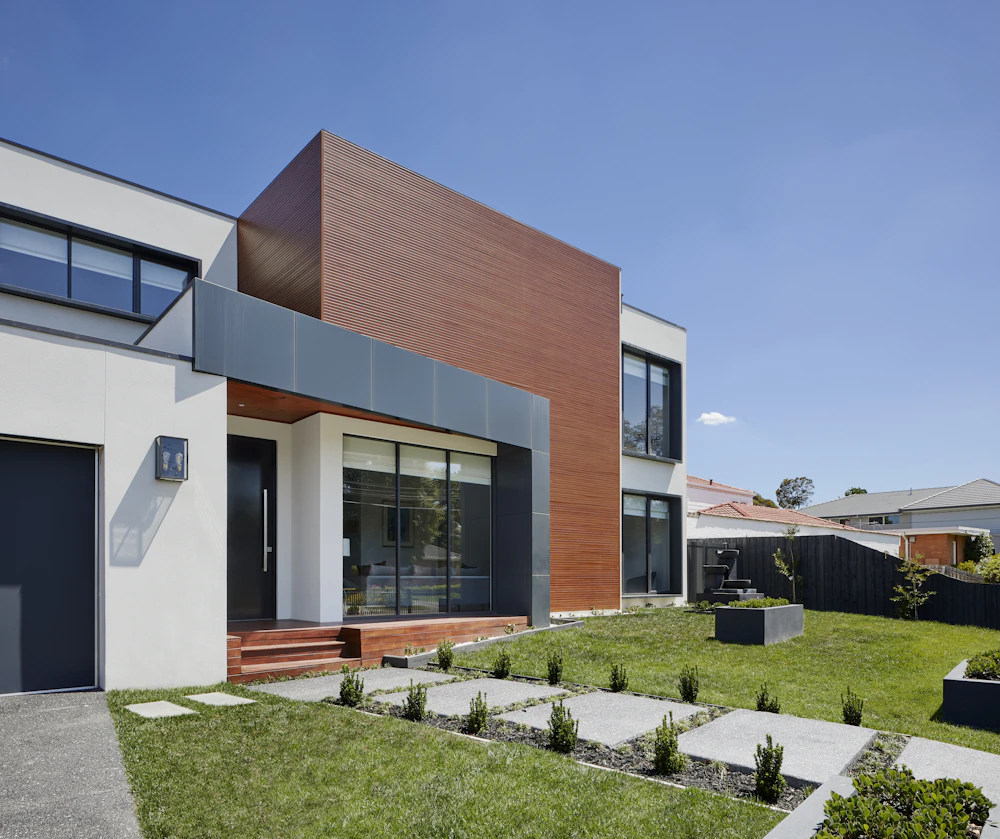
The condition, current lease, neighborhood, association rules, owner goals, and maintenance history are more useful than assumptions based on a city name alone.
Property management feels more dependable when owners know who is accountable. Meet the people connecting local real-estate context with the day-to-day work behind Dwelo.

Jason brings a private-equity, real-estate, and investing perspective to Dwelo, with a focus on disciplined operations, clear decisions, and systems property owners can trust.

Warren brings mortgage-industry experience and a financing-minded view of ownership, helping keep property decisions, communication, and long-term owner goals connected.

Nate brings Charleston real-estate experience, market context, and a relationship-first approach to helping owners make informed property decisions.

Ashley supports the day-to-day property-management experience, helping keep resident communication, property needs, and owner follow-through organized.
When a client needs property management, the handoff should feel just as polished as the brokerage relationship—clear, professional, and easy to trust.
Clearer communication, less maintenance chaos, stronger leasing support, and a service style that still feels human.
Property management · Johns Island
For a Johns Island property, marketing, tenant placement, lease administration, maintenance, rent collection, resident communication, and owner reporting should work as one system. Explore the services most often paired with local management, then compare nearby Dwelo service areas if your portfolio extends beyond Johns Island.
Depending on the management agreement, support can include rental marketing, screening coordination, lease administration, resident communication, rent collection, maintenance coordination, owner reporting, and recurring property operations.
Coverage depends on the specific property address and service scope. Share the address during the free consultation so the team can confirm fit and local operating coverage.
Pricing should be based on current competing rentals, property condition, features, timing, and the immediate submarket rather than relying on one broad Charleston average.
A takeover can be planned around the current lease and resident, with a structured transfer of documents, balances, deposits, vendor information, maintenance issues, and communication responsibilities.
Request a free consultation with the property address, occupancy status, timing, and your biggest management concern. Dwelo can then confirm the right service scope and next steps.
Tell Dwelo what you own, what is happening now, and what you want to improve. The first conversation is free and focused on fit—not pressure.